
Introduction: A Sacred Island Forgotten by Time
When people talk about Chilika Lake, they usually think of dolphins, migratory birds, or scenic boat rides. Very few know that hidden within this vast brackish water lagoon lies an island that once protected the very soul of Jagannath Dharma.
That island is Kankana Sikhari.
Kankana Sikhari is not just a geographical location. It is a living witness to faith, survival, and devotion. During one of the most turbulent periods in Odisha’s history, when the Shri Jagannath Temple at Puri faced repeated attacks, this secluded island inside Chilika Lake became a divine refuge.
This article explores the untold history, spiritual importance, mysteries, and tourism potential of Kankana Sikhari — a place where Lord Jagannath Himself stayed for months.
Where Is Kankana Sikhari Located?
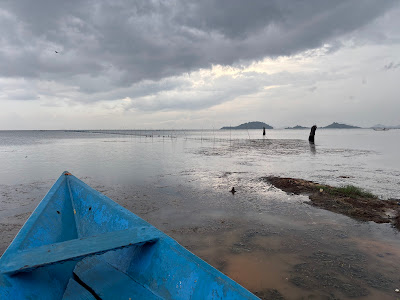
Kankana Sikhari is located inside Chilika Lake, Asia’s largest brackish water lagoon, on an island near Nairi village in Odisha. Surrounded by water and dense natural cover, the island’s geography made it a perfect secret shelter during times of invasion.
Unlike popular pilgrimage sites, Kankana Sikhari remains largely untouched by commercial tourism, which has helped preserve its spiritual purity but also contributed to its obscurity.
Historical Background: When Jagannath Left Srimandir
Between the 16th and 18th centuries, the Shri Jagannath Temple (Srimandir) faced repeated attacks from invading forces. These attacks were not just political; they threatened the very existence of Jagannath worship.
To protect the Chaturdhamurti (Jagannath, Balabhadra, Subhadra, and Sudarshan), the servitors secretly relocated the sacred idols multiple times through water routes to safe locations across Odisha.
18 Major Attacks and 21 Secret Relocations
Historical records mention:
18 major attacks on Srimandir
21 times Lord Jagannath left the Ratnasinghasan (Jeweled Throne)
One of the most significant of these secret shelters was Kankana Sikhari.
Jagannath Mahaprabhu at Kankana Sikhari (1731 AD)
In 1731 AD, during a period of severe threat, Jagannath Mahaprabhu graced Kankana Sikhari — an event locally remembered as “Bijé Karithile” (divine arrival).
Duration of Stay: 4 Months
According to tradition and local records:
Lord Jagannath stayed at Kankana Sikhari for four months
Daily rituals were performed secretly
The local villagers safeguarded the sanctity of the place with complete devotion and silence
This was not just a temporary halt — it was a divine lila (play) where faith triumphed over fear.
The Sacred Kankana Fruit and Mahaprasad Connection
One of the most fascinating aspects of Kankana Sikhari is its connection to Mahaprasad.
Why the Kankana Fruit Is Special
The Kankana fruit is thorny and generally avoided as food
At Kankana Sikhari, it was offered as Bhoga to Lord Jagannath
Mahaprabhu accepted the offering
A Permanent Place in Mahaprasad
Since that divine acceptance:
Kankana fruit became part of Jagannath Mahaprasad tradition
It symbolizes the belief that devotion matters more than appearance
This single event elevated Kankana Sikhari from a refuge to a sacred contributor to Jagannath culture.
Why Kankana Sikhari Was Chosen as a Safe Haven
Several reasons made Kankana Sikhari an ideal shelter:
1. Strategic Location
Located deep inside Chilika Lake
Accessible only through water routes
Easy to hide movement of idols
2. Natural Protection
Surrounded by water, reeds, and vegetation
Difficult for invading forces to detect
3. Local Devotion
Villagers of Nairi showed unwavering loyalty
No historical record of betrayal or disclosure
Kankana Sikhari represents community faith protecting divine heritage.
Connection with Gajapati Maharaja
The Gajapati Maharaja, the foremost servitor of Lord Jagannath, has maintained a deep connection with Kankana Sikhari.
Nandighosha Wheel Gift (2016)
In 2016, the Gajapati Maharaja gifted:
A wheel from the 2015 Nabakalebara Nandighosha chariot
To the villagers of Nairi
As a memorial of Jagannath Mahaprabhu’s stay at Kankana Sikhari
This gesture reaffirmed the royal acknowledgment of the island’s sacred role.
Kankana Sikhari and Other Secret Jagannath Locations
Kankana Sikhari is part of a larger network of secret relocation sites, including:
Kapilash
Gada Khai
Harishpur
Kuda Island
However, what sets Kankana Sikhari apart is:
Long duration of stay
Mahaprasad connection
Island-based secrecy
Why Kankana Sikhari Is Still Unknown
Despite its importance, Kankana Sikhari remains absent from mainstream narratives due to:
Lack of promotion
Focus on commercial Chilika tourism
Poor documentation in popular media
No structured heritage tourism policy
Ironically, this neglect has helped preserve its spiritual atmosphere.
Spiritual Experience at Kankana Sikhari
Visitors describe Kankana Sikhari as:
Silent
Calm
Spiritually intense
There are no crowds, no loud vendors — only water, wind, and memory.
It feels less like a tourist destination and more like stepping into history.
How to Reach Kankana Sikhari Island
Nearest Access Point
Chilika Lake (near Nairi side)
Mode of Transport
Boat ride arranged locally
Requires local guidance (recommended)
Best Time to Visit
October to March (pleasant weather)
Avoid monsoon due to water levels
Tourism Potential: Faith Meets Ecology
Kankana Sikhari has immense potential for:
Spiritual tourism
Eco-heritage tourism
Cultural documentation
With minimal infrastructure and responsible planning, it can become:
A Jagannath heritage circuit destination
Without harming Chilika’s fragile ecosystem
Why Kankana Sikhari Matters Today
In an era of commercialization, Kankana Sikhari reminds us:
Faith survives through sacrifice
Geography can protect culture
Ordinary villagers can safeguard extraordinary history
It is not just an island — it is a symbol of resilience.
Conclusion: A Sacred Island Waiting to Be Remembered
Kankana Sikhari deserves a rightful place in Odisha’s spiritual and historical consciousness. It stands as a reminder that Lord Jagannath is not bound by temples alone, but by the devotion of those who protect Him in times of crisis.
As Chilika Lake continues to attract global attention, it is time we also tell the story of its most sacred island —
Kankana Sikhari, where Jagannath once lived among His devotees.